
Notarized Documents for Title: Critical for formalizing legal transactions, especially lost car title replacements. Prevents fraud, streamlines processes through specialized services (e.g., Quick Auto Tags), and ensures document integrity. Correct form selection, accurate record-keeping, and compliance with local regulations are key to successful title transfers and business operations.
In the intricate web of legal and official affairs, the role of notarized documents cannot be overstated. These authenticated papers serve as a cornerstone for various applications, from real estate transactions to legal agreements, ensuring their validity and integrity. However, navigating the process of obtaining these documents can often prove cumbersome, especially with varying state regulations and specific requirements for each type of form. This is where our expertise shines—we offer an extensive selection of notarized forms tailored for diverse needs, simplifying the process and guaranteeing compliance with legal standards, particularly when it comes to vital documents like Notarized Documents for Title.
- Understanding Notarized Documents for Title Transfers
- Common Applications: When You Need Notarized Forms
- The Process: How to Prepare and Obtain Notarized Documents
- Legal Requirements: Ensuring Validity of Notarized Paperwork
- Choosing the Right Form for Your Specific Use Case
- Best Practices: Safeguarding Your Notarized Records
Understanding Notarized Documents for Title Transfers

Notarized documents play a critical role in formalizing legal transactions, particularly when transferring titles of vehicles. In the case of car ownership, understanding the process of obtaining or replacing a lost car title through notarized means is essential for owners navigating this common issue. When a car title goes missing, it can create significant inconveniences and even legal complications if not addressed promptly. Therefore, knowing how to secure a quick and easy replacement title is vital for any vehicle owner.
For instance, losing your registration sticker due to wear or damage may initially seem like a minor inconvenience, but it could lead to greater issues if you’re unable to produce proof of ownership during an inspection. In such cases, obtaining a lost registration sticker replacement through a trusted source is the recommended course of action. Many states allow for this service, often facilitated by official government agencies or authorized private entities like Quick Auto Tags, ensuring a straightforward process. The process typically involves filling out a form, providing identification, and paying a fee, resulting in a new registration sticker and, often, a duplicate car title request.
Notarized documents for title transfers serve as a reliable method of verifying ownership and preventing fraud. They are especially crucial when dealing with lost car titles, ensuring that the replacement process is legal and secure. This is where professionals like Quick Auto Tags can offer valuable assistance, guiding owners through the sometimes complex procedures involved in obtaining these essential documents. By understanding the role of notarization, vehicle owners can efficiently address title-related issues, ensuring their investment remains protected.
Common Applications: When You Need Notarized Forms

When it comes to formalizing important transactions or legal matters, notarized documents play a pivotal role. Among these, titles for vehicles stand out as one of the most common applications where accurate and official verification is required. Whether you’re dealing with a lost car title, requiring an update to vehicle owner information, or establishing authorized business partnerships, having access to professional notarization services ensures that every detail is handled precisely.
Lost or damaged car titles are a frequent issue, often leaving owners in a legal bind. In such cases, obtaining a new title from the DMV can be a cumbersome process. Quick Auto Tags offers an efficient solution with its specialized Lost DMV title recovery service. By leveraging advanced techniques and direct communication with official agencies, they streamline the recovery process, providing peace of mind to vehicle owners across the nation. This service underscores the importance of professional notarized forms in ensuring that every step of the title transfer is executed flawlessly.
Beyond titling, notarized documents are crucial for establishing business credibility and fostering partnerships. When a company needs to verify the authenticity of an owner’s identity or facilitate transactions with authorized partners, having notarized forms ready ensures compliance and safeguards against potential legal complications. By keeping these essential documents readily available, businesses can navigate their operations with greater efficiency and security.
The Process: How to Prepare and Obtain Notarized Documents

Obtaining notarized documents for title is a crucial step when dealing with official business matters. The process involves verifying the authenticity of your signature through a notary public, ensuring the document’s integrity and legal validity. Whether you need to replace your lost car title or are initiating other important transactions, understanding how to prepare and obtain these documents is essential.
To begin, gather all necessary materials, including the original document that requires notarization and identification proving your identity, such as a driver’s license or passport. For specific cases like requesting a duplicate car title, Quick Auto Tags can assist with the process, making it more convenient for authorized business partners. Visit their website to explore their services. In many instances, visiting a DMV office in person is still required, where you’ll present your documents and request notarization. This typically involves 1-3 visits, depending on the complexity of your case.
During the preparation phase, ensure your document is complete and accurate, as notaries public have specific guidelines they must follow. They will check for any alterations or discrepancies before proceeding with the notarization process. For instance, when dealing with title transfers, having all relevant information—such as vehicle identification numbers (VIN), owner names, and addresses—accurate and up-to-date is vital. Once your documents meet these requirements, a notary public will witness you signing the document, provide their official seal, and date it, ensuring its legal authenticity.
Remember, the process may vary slightly depending on your location, so always verify the specific requirements with your local authority or seek professional guidance if needed. By following these steps, you can ensure that your notarized documents for title are prepared correctly, streamlining any future transactions and providing a solid foundation for official business matters.
Legal Requirements: Ensuring Validity of Notarized Paperwork

Notarized documents for title play a crucial role in ensuring the validity of legal paperwork across various applications. When it comes to critical processes like DMV lost plate replacement in California or handling a lost car title, accuracy and authenticity are paramount. Notarization serves as a key verification step, lending official weight to the document. For instance, when initiating a DMV lost title paperwork process, having notarized forms guarantees that all information is accurate and signed under oath, streamlining the replacement procedure.
In the context of California’s dmv lost plate replacement, notarized documents are essential for verifying identity and ownership. This prevents fraud and ensures that only legitimate parties can proceed with title transfers or registrations. Quick Auto Tags, as an authorized business partner, specializes in handling DMV lost title paperwork, offering a seamless experience by providing pre-notarized forms tailored to each state’s legal requirements. This service not only saves time but also minimizes errors, making it especially valuable for individuals who have experienced the loss of their car title 1-3 times over the years.
Expert recommendation: Always opt for professional services that understand the nuances of notarized documents for title. Using a trusted brand like Quick Auto Tags can simplify the process, ensuring your paperwork meets all legal requirements. Remember, proper documentation is the cornerstone of successful transactions, whether it’s a DMV lost plate replacement or managing a lost car title. Staying informed about state-specific guidelines and utilizing reliable resources are key steps to ensure every document’s validity.
Choosing the Right Form for Your Specific Use Case
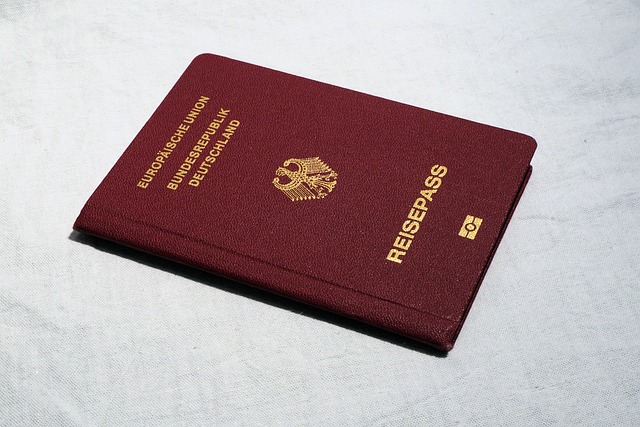
When it comes to notarized documents for title, choosing the right form is crucial for ensuring a smooth process. Each application—whether for a vehicle registration transfer, lien release, or legal document authentication—requires a specific form tailored to its needs. The form you need is largely dependent on your unique use case and jurisdiction. For instance, in many states, the REG 227 form is used for various transactions involving vehicles, including title transfers and changes of ownership. This versatility makes it a common choice for those seeking to replace a lost pink slip, simplify a car sale, or manage a lien on a vehicle.
Navigating the process can be daunting, especially when dealing with official bodies like the Department of Motor Vehicles (DMV). Many individuals find themselves unsure which form to select, leading to delays and potential errors. To streamline this process, consider seeking assistance from experts in the field. For example, Quick Auto Tags offers a straightforward solution for lost pink slip replacement, making it “Lost pink slip replacement made easy.” Their expertise ensures that you’ll have the correct forms and guidance throughout the journey. By understanding your specific requirements and utilizing reliable resources, you can confidently select the right notarized document for your needs, whether it’s through an in-person visit to a DMV office or submitting applications by mail.
Remember, accuracy is paramount when dealing with official documents. Filling out the incorrect form can lead to rejections, delays, or even legal complications. It’s worth noting that some forms, like the REG 227, are designed to cover multiple scenarios, offering flexibility where possible while maintaining the necessary level of detail and security. As you embark on your document-related task, prioritize thoroughness and seek professional help when needed to ensure a successful outcome.
Best Practices: Safeguarding Your Notarized Records

Safeguarding your notarized records is paramount when dealing with official documents like titles for vehicles (including quick and easy replacement titles). Notarized documents for title serve as legally binding proofs of ownership and identity, making their integrity and accessibility crucial. A lost registration card or car title, for instance, needs to be replaced promptly, ideally through a streamlined process such as Lost car title replacement at Quick Auto Tags.
Best practices involve keeping accurate records of all notarized documents and storing them in secure, easily retrievable locations. Digital backups, along with physical copies, offer an extra layer of protection against misplacement or damage. It’s important to keep these records organized, noting the document type, date acquired, and any relevant identifying numbers like Vehicle Identification Numbers (VIN). For instance, a comprehensive filing system could include separate sections for titles, registrations, and insurance documents, each clearly labeled and indexed.
Moreover, staying informed about local regulations regarding notarized forms is essential. Different jurisdictions may have specific requirements or procedures for obtaining and replacing title documents. Keeping up with these changes ensures compliance and smooths the process when needing to produce your records, whether for a quick and easy replacement title or addressing more complex scenarios. Regularly reviewing and updating your collection of notarized documents accordingly fosters preparedness and prevents unnecessary delays.
By delving into the intricacies of notarized documents for title transfers, this article has empowered readers with a comprehensive understanding of their importance and application. Key insights include recognizing common scenarios demanding these forms, grasping the step-by-step process to obtain them, ensuring legal compliance through validity checks, selecting the right form tailored to specific needs, and adopting best practices for secure record-keeping. Readers now possess the knowledge to navigate various applications, fostering confidence in handling critical transactions with authority and precision.


